
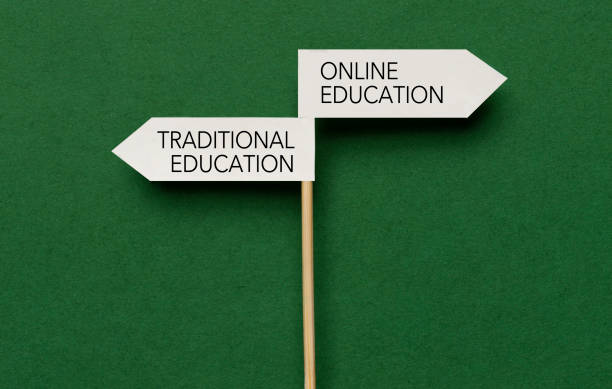
Education has changed dramatically over the past few years. With the rapid growth of technology and internet access, online education has become more popular than ever before. At the same time, traditional classroom learning continues to remain an important part of the education system worldwide.
Many students and parents now wonder which method is better — online education or traditional education. Both learning systems have their own advantages and challenges, and the right choice often depends on a student’s learning style, career goals, and personal situation.
In this article, we will compare online education vs traditional education in detail, including flexibility, cost, learning experience, social interaction, career opportunities, and future trends.
What Is Online Education?
Online education refers to learning through digital platforms using the internet. Students attend classes virtually through recorded lectures, live video sessions, mobile apps, and online assignments.
Online learning allows students to study from anywhere using smartphones, tablets, or laptops.
Meaningful Gifts for Girlfriend That Truly Express Your Love
What Is Traditional Education?
Traditional education refers to classroom-based learning where students physically attend schools, colleges, or universities. Teachers conduct face-to-face lectures, and students interact directly with classmates and instructors.
Traditional learning has been the standard education system for decades.
Advantages of Online Education
Online learning offers several benefits for students.
1. Flexible Learning Schedule
Students can study according to their own schedule.
2. Lower Education Costs
Online courses are often more affordable than traditional college programs.
3. Access to Global Courses
Students can learn from universities and experts worldwide.
4. Comfortable Learning Environment
Students can study from home without daily travel.
5. Skill-Based Learning Opportunities
Online platforms provide practical certification courses in technology, business, marketing, and AI.
Disadvantages of Online Education
Despite its advantages, online education also has limitations.
Limited Social Interaction
Students may miss classroom discussions and campus experiences.
Requires Self-Discipline
Online learning demands motivation and consistency.
Internet Dependency
Poor internet connectivity can affect learning quality.
Screen Fatigue
Long screen time may reduce concentration and increase tiredness.
Advantages of Traditional Education
Traditional education still provides many valuable benefits.
Face-to-Face Interaction
Students interact directly with teachers and classmates.
Better Classroom Discipline
Fixed schedules help students maintain study routines.
Campus Experience
Traditional education provides extracurricular activities, networking, and social development.
Immediate Teacher Support
Students can ask questions and receive instant clarification.
Disadvantages of Traditional Education
Traditional learning also comes with challenges.
Higher Costs
Tuition fees, transportation, and hostel expenses can be expensive.
Less Flexibility
Students must follow fixed schedules and classroom timings.
Time Consumption
Traveling to educational institutions takes additional time.
Limited Course Variety
Students may not always access specialized global courses locally.
Online Education vs Traditional Education Comparison
| Feature | Online Education | Traditional Education |
| Flexibility | High | Limited |
| Cost | Affordable | Expensive |
| Social Interaction | Limited | Strong |
| Learning Pace | Self-paced | Fixed |
| Accessibility | Global access | Location-based |
| Classroom Experience | Virtual | Physical |
| Discipline Requirement | High self-discipline | Structured environment |
Which Education System Is Better for Students?
The answer depends on individual needs and learning styles.
Online Education Is Better For:
- Working professionals
- Self-motivated learners
- Students seeking affordable education
- Skill-based learning
Traditional Education Is Better For:
- Students needing classroom guidance
- Learners who prefer social interaction
- Practical laboratory-based courses
- Students seeking campus life experience
Future of Education in India
The future of education will likely combine both online and traditional learning methods.
Hybrid education models are becoming increasingly popular, where students attend physical classes while also using online platforms for additional learning and certifications.
Technology, artificial intelligence, and digital tools are expected to continue transforming education systems globally.
Final Thoughts
Both online education and traditional education offer unique advantages and challenges. Online learning provides flexibility, affordability, and global access, while traditional education offers classroom interaction, discipline, and campus experiences.
Instead of choosing one system completely, students can benefit from combining both approaches. Traditional education can provide academic foundations, while online learning can help students gain additional skills and certifications.
The best education system is ultimately the one that matches a student’s goals, learning style, and future career plans.