
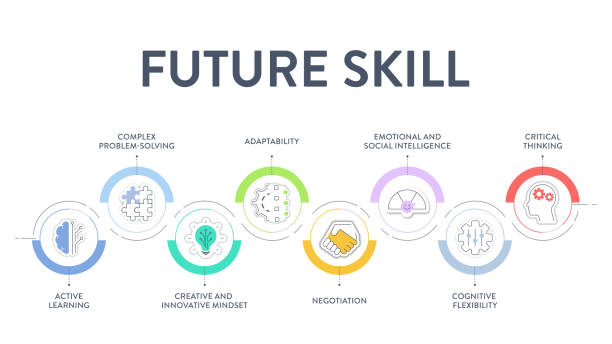
The world is changing faster than ever. New technologies, new careers, and new ways of working are emerging every year. What worked yesterday might not work tomorrow—and that’s why students need to stay ahead of the curve.
If you’re wondering what skills will actually matter in the future, you’re asking the right question. Because in 2026 and beyond, degrees alone won’t guarantee success—skills will.
The good news? You don’t need to learn everything. You just need to focus on the right skills.
In this blog, we’ll explore the most important skills to learn in 2026 for students that can help you stand out, earn better opportunities, and build a successful future.
1. Digital Literacy
In 2026, being comfortable with technology is no longer optional—it’s essential.
Digital literacy doesn’t mean just using social media. It includes:
- Understanding online tools
- Working with digital platforms
- Managing information effectively
Why it matters:
Almost every career today involves technology in some form. Whether you’re a student, entrepreneur, or employee, digital knowledge gives you an edge.
Start with:
- Google tools (Docs, Sheets)
- Basic computer skills
- Online research techniques
2. Artificial Intelligence (AI) Awareness
AI is shaping the future—and students who understand it will have a huge advantage.
You don’t need to become an expert, but you should:
- Know how AI works
- Understand its applications
- Learn how to use AI tools effectively
Examples:
- Chatbots
- AI writing tools
- Automation software
Why it matters:
AI is being used in healthcare, business, education, and more. Knowing how to work with AI—not against it—will be a key skill.
3. Communication Skills
No matter how talented you are, if you can’t communicate your ideas, you’ll struggle.
Types of communication:
- Verbal (speaking clearly)
- Written (emails, reports)
- Non-verbal (body language)
Why it matters:
Good communication helps in:
- Interviews
- Teamwork
- Leadership roles
Pro Tip: Practice speaking confidently and writing clearly every day.
4. Critical Thinking and Problem Solving
In a world full of information, the ability to think critically is powerful.
Instead of memorizing facts, focus on:
- Asking questions
- Analyzing situations
- Finding solutions
Why it matters:
Employers value people who can solve problems—not just follow instructions.
This skill helps you make better decisions in both academics and real life.
5. Time Management
Time is your most valuable resource as a student.
Learning how to manage it effectively can:
- Reduce stress
- Increase productivity
- Improve academic performance
Simple strategies:
- Use a daily planner
- Set priorities
- Avoid procrastination
Students who manage time well often outperform those who don’t—even if they study less.
6. Adaptability and Flexibility
Change is constant. New tools, new systems, and new challenges will keep coming.
Being adaptable means:
- Accepting change
- Learning new skills quickly
- Staying open-minded
Why it matters:
The jobs of the future may not even exist yet. Adaptability ensures you’re always ready.
7. Basic Financial Literacy
Understanding money is a life skill every student should learn.
Key concepts:
- Budgeting
- Saving
- Investing basics
- Managing expenses
Why it matters:
Financial knowledge helps you make smarter decisions and avoid debt in the future.
8. Creativity and Innovation
Creativity isn’t just for artists—it’s for everyone.
In 2026, creativity means:
- Thinking outside the box
- Coming up with new ideas
- Solving problems in unique ways
Why it matters:
Automation can replace routine tasks, but creativity is uniquely human.
9. Emotional Intelligence (EQ)
Emotional intelligence is the ability to understand and manage your emotions and others’.
It includes:
- Self-awareness
- Empathy
- Relationship management
Why it matters:
High EQ helps you:
- Handle stress
- Build strong relationships
- Work effectively in teams
10. Basic Coding or Tech Skills
You don’t need to be a software engineer, but basic coding knowledge is a big plus.
Languages to consider:
- Python
- HTML/CSS
- JavaScript (basic level)
Why it matters:
Coding improves logical thinking and opens doors to high-paying careers.
11. Online Learning and Self-Learning Skills
The ability to learn on your own is one of the most powerful skills.
How to develop it:
- Take online courses
- Watch educational content
- Read books regularly
Why it matters:
In the future, learning never stops. Self-learners grow faster than others.
12. Networking Skills
Building connections is just as important as building skills.
How to network:
- Connect with people online
- Join communities
- Participate in events
Why it matters:
Opportunities often come through people, not just qualifications.
Conclusion
The future belongs to students who are prepared—not just academically, but practically. By focusing on the right skills to learn in 2026 for students, you can stay ahead of the competition and create better opportunities for yourself.